
In the evolving landscape of digital entertainment, virtual items within video games have gained considerable attention. Among these, game skins, which are cosmetic alterations to in-game characters or items, have become a significant aspect of many online gaming communities. This guide delves into the concept of game skins trading, exploring its mechanics, considerations, and implications in 2026. As gaming continues to integrate deeper into social and economic structures, understanding the nuances of virtual item economies becomes increasingly relevant for players seeking to engage with these digital environments beyond mere gameplay.
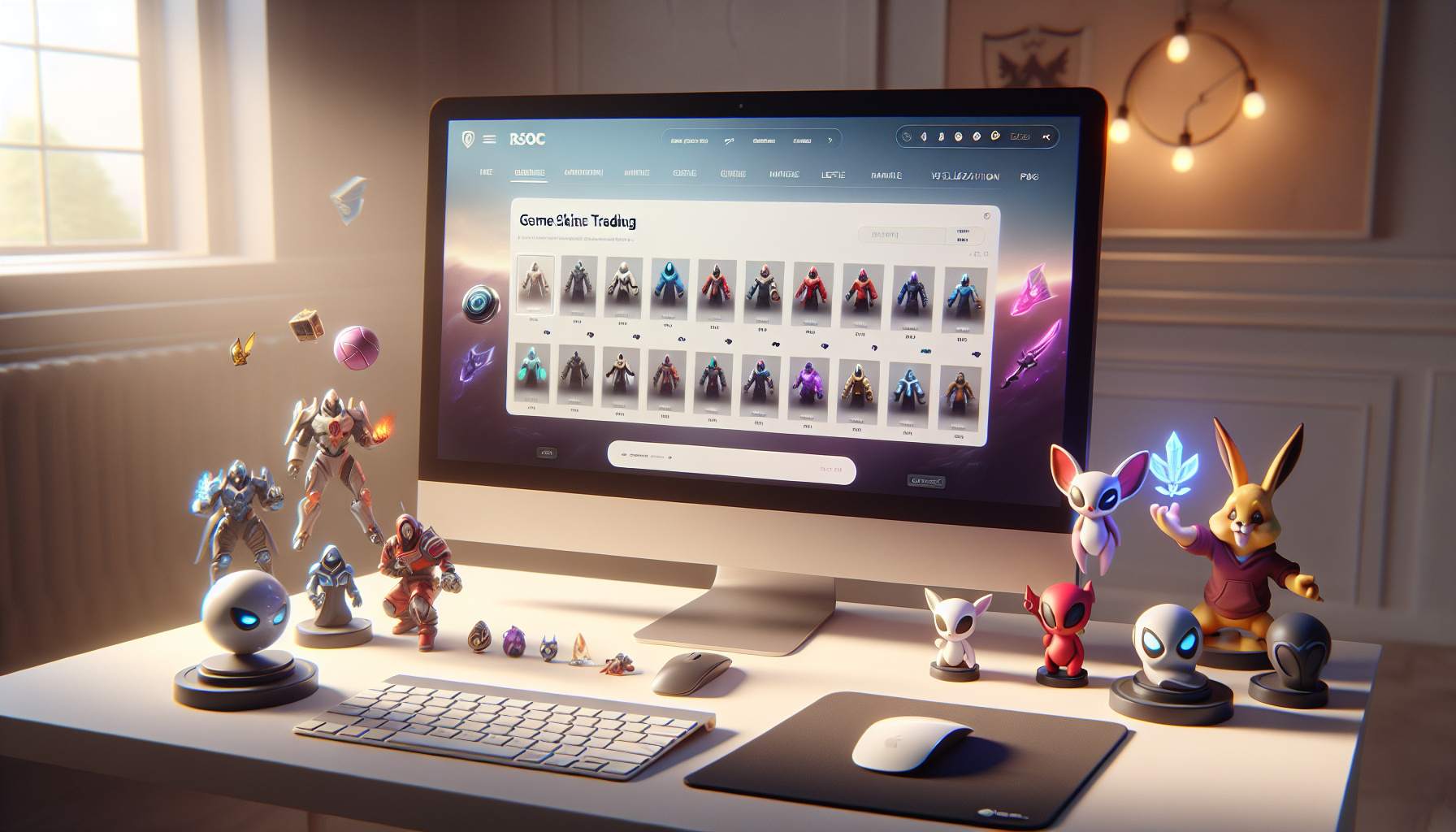
The Phenomenon of Game Skins Trading
Game skins, also known as cosmetic items or character customizations, are digital assets that alter the appearance of in-game elements such as weapons, characters, or vehicles without impacting gameplay mechanics. They serve as a form of self-expression for players and can signify status, achievement, or personal preference. The trading of these virtual items has emerged as a complex ecosystem within numerous popular online multiplayer games. This phenomenon is driven by several factors, including the desire for unique in-game identities, the perceived rarity or aesthetic appeal of certain skins, and the ability to acquire or exchange these items outside of direct in-game purchase options. By 2026, the economic activity surrounding game skins has matured, reflecting a deeper integration of virtual economies into the broader digital landscape. Understanding the principles behind this trading, the types of skins involved, and the platforms used is essential for anyone interested in the digital gaming sphere.
Evaluating and Understanding Game Skins
The value and desirability of game skins are determined by a confluence of factors. These can include the rarity of the skin, its visual design, its history within the game (e.g., associated with specific events or updates), and its overall demand within the player community. Skins are often categorized based on their rarity tiers, which can range from common to legendary or even unique. For example, in Counter-Strike 2, skins are classified by wear levels (Factory New, Minimal Wear, Field-Tested, Well-Worn, Battle-Scarred) which significantly influence their aesthetic appearance and market value. Similarly, in games like Dota 2 or Team Fortress 2, skins can possess unique attributes like special particle effects, custom animations, or even voice lines, further differentiating their appeal. Players often employ various methods to assess a skin’s worth. This involves monitoring market trends, understanding the historical price fluctuations of similar items, and consulting community-driven resources that track item values. The inherent variability in these factors means that a skin’s perceived value can be subjective and dynamic, influenced heavily by player sentiment and the ongoing development of the game itself.
Categories and Types of Game Skins
Game skins can be broadly classified into several categories, each with its own characteristics and implications for trading. These include:
- Cosmetic Skins: These are the most common type, altering the visual appearance of in-game items or characters without any functional impact. Examples include weapon skins, character outfits, and vehicle paint jobs. Their value is primarily driven by aesthetics and rarity.
- Special Effect Skins: Some skins come with unique visual effects, such as glowing elements, animated patterns, or custom particle effects. These can significantly enhance the visual appeal and often command higher values due to their distinctiveness.
- Limited Edition Skins: These skins are often tied to specific in-game events, promotions, or are available for a limited time. Their scarcity upon release contributes to their long-term desirability and potential for value appreciation.
- Stat-Trak™ or Killstreak Skins: In certain games, skins can be equipped with features that track in-game statistics, such as the number of kills achieved with a particular weapon. This functionality can add an extra layer of appeal for players who enjoy tracking their performance.
- Unusual or Exotic Skins: In games with more complex item systems, certain skins might possess rare attributes or come from extremely limited collections, making them highly sought after by collectors and traders.
Understanding these categories is crucial for any player looking to engage in the trading of virtual items. Each category has different drivers of demand and rarity, influencing its potential market value.
Practical Approaches to Understanding Value
Evaluating the worth of a game skin involves a multi-faceted approach. Players often rely on a combination of methods:
- Marketplace Monitoring: Observing current listings and recent sales on established virtual item marketplaces (within the game’s ecosystem or third-party platforms) provides real-time data on supply and demand.
- Historical Data Analysis: Reviewing price trends over time for similar or identical skins can reveal patterns of fluctuation and potential for long-term value. Resources that archive past sales can be invaluable for this.
- Community Consensus: Engaging with game-specific communities, forums, and discussion boards can offer insights into popular opinions, perceived value, and emerging trends surrounding specific skins.
- Rarity and Wear Levels: For games where wear levels are a factor (e.g., Counter-Strike 2), understanding the visual impact of each wear tier and its corresponding market price is essential.
- Uniqueness and Features: Skins with unique visual effects, custom animations, or rare sticker combinations may command a premium based on their distinctive attributes.
It is important to note that the virtual item market is subject to volatility. Prices can change rapidly due to game updates, changes in player popularity, or external market factors. Therefore, a thorough and ongoing evaluation process is recommended.
Long-Term Considerations in Game Skins Trading
Engaging with game skins trading extends beyond immediate transactions and involves several long-term considerations. These encompass the inherent risks, the responsibilities of participation, and the potential limitations that players may encounter.
Risks and Limitations
Participating in game skins trading is not without its risks. The most significant is market volatility. The value of virtual items can fluctuate dramatically, leading to potential financial losses if items are acquired at a high price and their value subsequently declines. Economic downturns within the game or shifts in player interest can impact demand. Furthermore, the security of trading platforms and accounts is paramount. Phishing scams, account compromises, and fraudulent transactions are persistent threats. Many virtual item markets operate on user agreements that can change, potentially impacting the liquidity or transferability of items. It’s also crucial to understand the terms of service for the specific game and any trading platforms used, as violations could lead to account suspension or item forfeiture. Some games have implemented restrictions on trading to combat illicit activities, which can impact the broader market. Dependency on specific game titles is another limitation; if a game loses popularity or is shut down, the value of its associated virtual items may diminish significantly.
Maintenance and Responsibilities
While skins themselves do not require physical maintenance, maintaining a secure digital presence is a primary responsibility for traders. This involves using strong, unique passwords, enabling two-factor authentication on all relevant accounts, and being vigilant against social engineering attempts. Players are responsible for understanding the rules and guidelines of any trading platforms they use. This includes adhering to any transaction limits, understanding fee structures, and familiarizing themselves with dispute resolution processes. Keeping accurate records of transactions can also be beneficial for personal tracking and in case of any issues. For those involved in trading as a significant activity, understanding the tax implications of virtual asset transactions in their respective jurisdictions may become relevant.
The Evolving Digital Economy
The landscape of virtual economies is constantly evolving, influenced by technological advancements, game developer policies, and player behavior. As of 2026, developers are increasingly exploring new ways to integrate virtual items into their games, sometimes through in-game economies and sometimes through more restrictive systems. This evolution means that the strategies that were effective in the past may need to be adapted for the future. Staying informed about game updates, developer announcements, and emerging trends in the virtual item market is crucial for anyone actively participating in skins trading. The long-term viability of any virtual item market is intrinsically linked to the continued success and support of the game it belongs to.
Comparative Overview of Trading Platforms (Illustrative)
While this guide does not endorse any specific platform, understanding the general types of environments where game skins trading occurs can be informative. These platforms can vary in their features, security measures, and community focus. An illustrative comparison highlights key differences:
| Platform Type | Primary Function | Typical Features | Potential Considerations |
|---|---|---|---|
| In-Game Marketplaces | Direct trading within the game’s environment. | Integrated user interface, direct item exchange, often using in-game currency. | Limited to items within that specific game, developer-controlled fees and rules, sometimes less privacy. |
| Third-Party Trading Sites | Specialized platforms for exchanging virtual items across various games. | Broader selection of items, user-driven pricing, often direct item-for-item or currency exchanges. | Varying security protocols, potential for scams, transaction fees, reliance on platform stability. |
| Community Forums/Social Media | Discussion, negotiation, and arrangement of trades. | Direct player-to-player interaction, often for high-value or rare items. | Highest risk of scams due to less structured environment, requires strong trust between parties, manual transaction processing. |
Internal Linking and Further Reading
For those interested in the broader context of digital economies and virtual goods, the following resources may provide additional insights:
- Digital Good (Wikipedia): Offers a comprehensive overview of what constitutes a digital good and its economic implications.
- Esports Institute: Provides research and analysis on the esports industry, including its economic components.
- ITU Focus Group on Digital Financial Services – Report: Discusses the evolution of digital financial services, which can indirectly relate to virtual economies.
- Esports – Statistics & Facts (Statista): Presents statistical data related to the global esports market, including trends in player engagement and virtual item markets.
Frequently Asked Questions (FAQ)
- What is the primary purpose of game skins?
- Game skins are primarily cosmetic. They change the visual appearance of in-game items or characters without altering gameplay mechanics, allowing players to personalize their experience and express their individuality.
- Are game skins considered investments?
- While some game skins may appreciate in value over time, they are not typically considered traditional investments. Their value is highly speculative and tied directly to the popularity and longevity of the game they belong to, as well as community sentiment. There is no guarantee of return, and values can decrease significantly.
- How do I protect myself from scams when trading game skins?
- To protect yourself, always use secure trading platforms with established reputations, enable two-factor authentication on your accounts, be wary of unsolicited offers, never share your account credentials, and double-check all trade details before confirming. Understand the typical market value of items to identify potentially fraudulent offers.
- Can game skins be transferred between different games?
- Generally, no. Game skins are proprietary digital assets created for and usable only within the specific game they are associated with. They cannot be transferred or used in a different game title.
Disclaimer
This content is provided for informational purposes only and does not constitute professional advice. The trading of virtual items carries inherent risks, including potential financial loss and security vulnerabilities. Readers should exercise caution and conduct their own research before engaging in any trading activities.
Sources
- “The Economics of Virtual Goods.” Journal of Virtual Worlds Research, vol. 5, no. 1, 2012. (Academic publication focusing on virtual economies)
- “Global Esports Market Report 2023.” Newzoo. (Industry report providing market data and trends)
- “Understanding Digital Goods and Their Value in Online Gaming.” Gamer Studies, vol. 18, no. 2, 2018. (Academic journal article on virtual item value)
- “The Psychology of Cosmetic Items in Video Games.” Games and Culture, vol. 15, no. 4, 2020. (Academic journal article on player motivation for cosmetic items)
This guide provides an educational overview of game skins trading, a digital phenomenon prevalent in online gaming communities. It explains what game skins are, the factors influencing their value, and various categories of skins available. The article offers practical advice on how to evaluate skins, emphasizing the importance of market monitoring and community insights. It also details long-term considerations, including the risks of market volatility and security, alongside player responsibilities for account maintenance and adherence to platform rules. An illustrative table compares different types of trading platforms, and a FAQ section addresses common queries. The guide concludes with a disclaimer regarding the risks involved and lists authoritative sources for further reading.