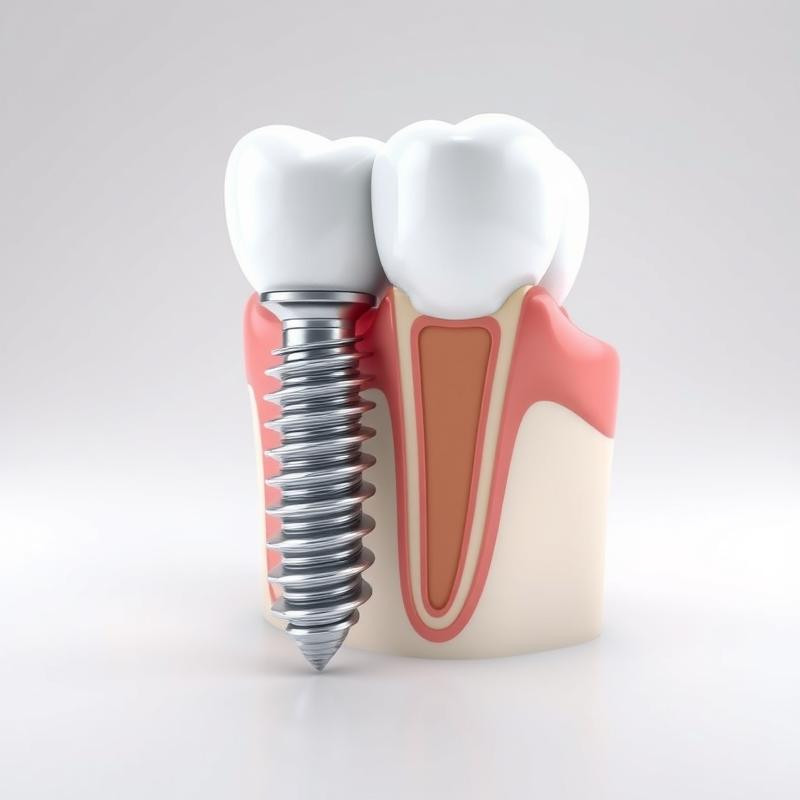
Understanding Affordable Dental Implants
Dental implants have become a leading solution for replacing missing teeth, combining aesthetics, durability, and function. However, the perception of high costs often deters individuals from seeking this treatment. Understanding what contributes to the cost and how to find affordable dental implants is crucial for making informed decisions about your oral health. The total price of dental implants varies widely based on several factors, including geographic location, dentist expertise, implant material, and the complexity of your case [3]. In the United States, the average cost for a single dental implant ranges from $3,000 to $7,000, but alternatives and cost-saving options are available [1].
Why Consider Dental Implants?
Dental implants offer several advantages over traditional tooth replacement methods. Unlike dentures or bridges, implants are anchored directly into the jawbone, providing a stable and permanent solution. This integration helps prevent bone loss, maintains facial structure, and offers a natural appearance and feel. Implants can last decades with proper care, making them a cost-effective investment over time [5]. Additionally, the improved comfort and confidence from a restored smile can have a significant impact on quality of life.
Material and Component Options
Dental implants are typically made from titanium or zirconia. Titanium is the most common material due to its strength, biocompatibility, and long-term success. Zirconia, a ceramic alternative, is gaining popularity for its metal-free composition and aesthetic benefits, though it may be slightly more expensive [3]. The choice of abutment and crown materials—such as porcelain, ceramic, or metal—also influences the overall cost and appearance. Customization ensures implants match the color and shape of natural teeth, but may add to the price.
Analysis of Cost Factors
The cost of dental implants is influenced by:
- Geographic location: Urban areas with higher living costs generally have higher dental fees [3].
- Number of implants: A single implant costs less than multiple implants or full-mouth restoration.
- Complexity of the case: Additional procedures like bone grafting or sinus lifts increase costs [1].
- Experience of the dentist: Specialists with advanced training may charge more, but often deliver superior results.
- Materials used: Premium materials, such as zirconia, typically incur higher fees.
For example, a single dental implant in Washington, DC, can start at $2,900, while the national average ranges from $4,000 to $6,500 [1]. In Puerto Rico, costs can drop to $2,050 for a single implant, representing significant savings [2].
Dentist Experience and Expertise
Choosing a qualified and experienced dentist is essential for successful implant outcomes. Specialists such as periodontists and oral surgeons undergo extensive training in implantology, which reduces the risk of complications and improves long-term results. While their fees may be higher, the investment often pays off in terms of durability and aesthetics. When considering affordability, balance cost savings with the importance of expertise—lower prices should not come at the expense of quality care [1].
Great Dental Implant Deals: Find Legal Savings
Affordable dental implants are within reach through several legal and ethical approaches:
- Dental schools: Accredited dental schools offer implant procedures at reduced rates, supervised by experienced faculty.
- Geographic arbitrage: Traveling to areas with lower costs, such as Puerto Rico or Mexico, can yield savings of 50% or more. For example, full-mouth implants in Puerto Rico cost around $19,995 per arch, compared to $25,000–$36,000 in the mainland US [2].
- Special promotions: Some clinics offer limited-time discounts or package deals for multiple implants.
- Insurance and benefit programs: Some dental insurance plans provide partial coverage for implants. Check your benefits or consider supplemental dental insurance.
Always verify the credentials and reputation of providers, especially when considering treatment outside your local area.
Dental Implant Financing Options
Given the significant investment, many dental clinics offer payment plans to help make implants more accessible. Common options include:
- Clinic payment plans: Many offices allow you to pay in installments over several months or years. Terms vary, so ask about interest rates and eligibility.
- Third-party financing: Companies like CareCredit provide medical financing for dental procedures, often with promotional interest rates for qualified applicants [2].
- Dental benefit programs: Some organizations and employers offer dental discount plans or flexible spending accounts (FSAs) to offset costs.
When exploring financing, review the total repayment amount, interest rates, and any additional fees. Consider your budget and long-term financial health before committing to a plan.
Affordable Dental Implant Cost Breakdown
Costs can vary based on the number of implants required:
- Single dental implant: $2,900–$7,000 in the U.S.
- Three dental implants: Typically costs range from $9,000 – $21,000, but specialized packages (implant bridges) can be found for as little as $7,000.
- Five dental implants: Typically ranges from $15,000 – $35,000, or can go up to $48,000 for premium full-mouth services.
- Full mouth dental implants (All-on-4/6): $60,000 –$90,000 per arch in the U.S.
Always request a detailed treatment plan and cost breakdown. This should include all associated fees, such as extractions, imaging, anesthesia, and follow-up visits.
Custom Implant Solutions for Different Budgets
Implant treatment can be tailored to your financial situation:
- Staged treatment: Some patients elect to receive implants in phases, spreading costs over time.
- Alternative materials: Choosing titanium over zirconia may reduce costs. Discuss options with your provider.
- Mini implants: These smaller implants may be suitable for some cases and are generally less expensive.
Discuss your goals and budget openly with your dentist. Many clinics are willing to create a plan that balances affordability and quality.
Dental Benefit Programs
While traditional dental insurance may not fully cover implants, some plans offer partial reimbursement or cover related procedures. Flexible spending accounts (FSAs) and health savings accounts (HSAs) can be used to pay for dental implants with pre-tax dollars. Additionally, dental discount plans may provide reduced rates at participating providers. Review your benefits and consult with your insurance representative to understand your coverage.
Special Considerations for Dental Implant Treatment
Before proceeding with dental implants, consider the following:
- Medical eligibility: Not everyone is a candidate for implants. Adequate bone density and good oral health are necessary for success.
- Long-term maintenance: Implants require diligent oral hygiene and regular dental visits to ensure longevity.
- Potential risks: As with any surgery, there are risks of infection, implant failure, or complications. Choose an experienced provider to minimize these risks.
Discuss all concerns with your dental professional and ensure you receive a comprehensive evaluation and treatment plan.
References
- [1] Woodbridge Perio and Implants (2023). Cost of Dental Implants – Washington, DC.
- [2] DentaVacation (2024). Cheapest Dental Implants in the US.
- [3] GoodRx (2024). How Much Do Dental Implants Cost?
- [4] My 1st Choice Dental Care (2023). All-on-4 Full Mouth Dental Implants Cost Comparison.
- [5] Premier Dental NC (2025). How Much Do Dental Implants Cost in Charlotte?