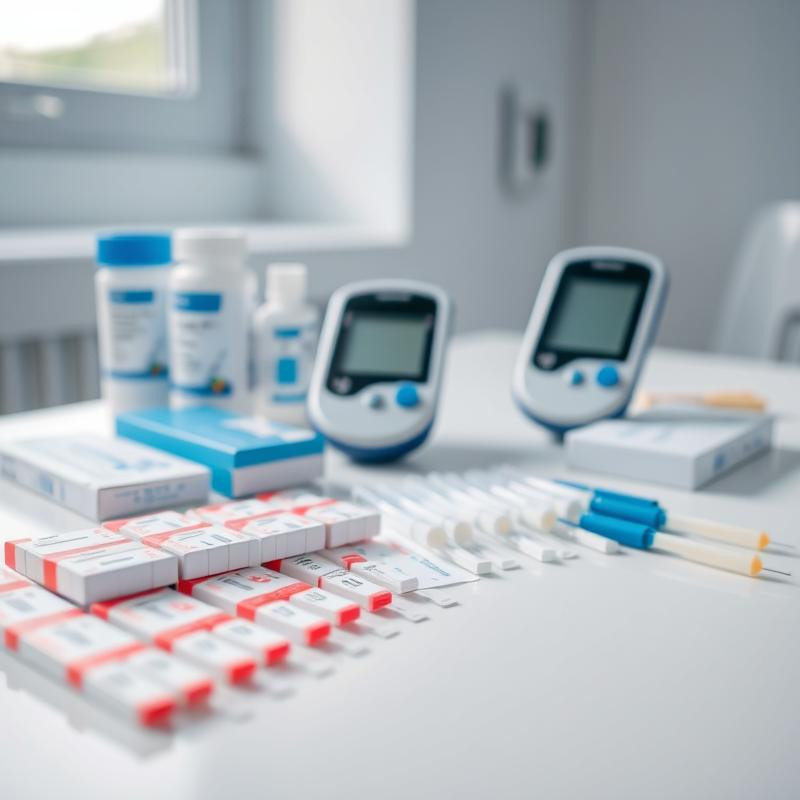
Understanding Blood Sugar Test Strips Online
Blood sugar test strips are a critical tool for people managing diabetes or monitoring their blood glucose levels for other health reasons. These small, disposable strips are used with blood glucose meters to measure the concentration of glucose in a drop of blood, usually obtained from a fingertip. In recent years, the ability to purchase blood sugar test strips online has made them more accessible and convenient for users, often at competitive prices. However, with so many brands and purchase options, it’s important to understand how to select the right strips, where to buy them safely, and how to ensure you are getting a product that meets your health needs.
Where to Buy Blood Sugar Test Strips Online
There are several reputable sources for purchasing blood sugar test strips online. Major retailers such as Walmart and Walgreens offer a wide selection of brands, including Accu-Chek, OneTouch, CONTOUR NEXT, and True Metrix. These platforms provide both in-store pickup and shipping options, often with same-day or two-day delivery available. For example, Walmart lists products like Accu-Chek Guide Glucose Strips and OneTouch Verio Test Strips, with prices ranging from approximately $13.98 for a pack of 25 strips to $89.99 for a 120-count pack of OneTouch Ultra Test Strips [1]. Walgreens similarly offers a variety of brands, with prices and availability that may differ between online and in-store options [3]. It is also possible to order test strips through online pharmacy services or subscription plans, which may offer additional savings and convenience [5].
Tips for Buying Test Strips Online
- Purchase only from reputable retailers or pharmacies to ensure product authenticity and quality.
- Compare prices across different platforms, as costs can vary significantly.
- Check for compatibility with your blood glucose meter, as not all strips work with every device.
- Look for options that offer free shipping or discounts for bulk purchases.
- Be cautious about purchasing from third-party sellers on online marketplaces, as the risk of counterfeit or expired products is higher.
Normal Blood Sugar Range by Age
Understanding what constitutes a “normal” blood sugar range is essential for interpreting your test results. While general guidelines exist, normal blood sugar levels can vary by age, time of day, and whether a person has eaten recently. These ranges are typically measured in milligrams per deciliter (mg/dL).
General Blood Sugar Ranges
According to the Cleveland Clinic, a healthy fasting blood glucose level for someone without diabetes is typically between 70 and 99 mg/dL [6]. However, these numbers are starting points, and individual targets may differ based on age, health status, and medical advice.
Blood Sugar Ranges by Age Group
Clinical guidelines and expert resources suggest that target blood sugar levels may be adjusted for age and other factors. While there is no universally official chart, the following ranges serve as general guidance for fasting (before meals) and postprandial (after meals) glucose levels:
- Children (under 6 years): Fasting: 80–180 mg/dL; After meals: up to 200 mg/dL
- Children (6–12 years): Fasting: 80–180 mg/dL; After meals: up to 180 mg/dL
- Adolescents (13–19 years): Fasting: 70–150 mg/dL; After meals: up to 180 mg/dL
- Adults (20–59 years): Fasting: 70–99 mg/dL; After meals: less than 140 mg/dL
- Older Adults (60+ years): Fasting: 80–140 mg/dL; After meals: less than 180 mg/dL
These ranges reflect the need for more relaxed targets in young children and older adults, as both groups may be more vulnerable to the effects of low blood sugar (hypoglycemia). It is crucial to consult with a healthcare provider to establish personalized targets based on individual health status and risk factors [2] [4].
Factors Influencing Blood Sugar Targets
Blood sugar goals are not solely determined by age. Other important factors include:
- Presence of diabetes or prediabetes
- Other health conditions (e.g., kidney disease, cardiovascular disease)
- Pregnancy
- Medications
- Time of day and recent physical activity
Your healthcare team will help you determine the most appropriate targets for your situation, and these may be adjusted over time as your health status changes.
How to Monitor Your Blood Sugar at Home
Home blood glucose monitoring is a cornerstone of diabetes management and is increasingly used by people interested in tracking their health. To monitor blood sugar at home:
- Wash your hands with soap and water and dry thoroughly.
- Prepare your blood glucose meter and insert a new test strip.
- Use a lancing device to prick the side of your fingertip.
- Apply a drop of blood to the test strip as instructed by the meter’s manual.
- Wait for the meter to display your blood glucose reading.
- Record your results, noting the time, date, and any relevant circumstances (e.g., before or after meals).
Most modern meters provide results within seconds and store readings for later review. Some devices sync with smartphone apps for easier tracking and sharing with healthcare providers.
Interpreting Your Results
Compare your readings to the target ranges provided above or those recommended by your doctor. If you notice consistently high or low readings, contact your healthcare provider to discuss potential adjustments to your management plan.
Practical Tips for Managing Blood Sugar
Maintaining blood sugar within your target range involves more than just testing. Here are some practical strategies:
- Follow a balanced diet that emphasizes whole grains, lean proteins, healthy fats, and plenty of vegetables.
- Monitor carbohydrate intake, as carbs have the most direct effect on blood glucose.
- Engage in regular physical activity, such as walking, swimming, or cycling.
- Take medications as prescribed and communicate any concerns to your healthcare team.
- Stay hydrated and get adequate sleep, as both can impact glucose levels.
Accessing Support and Additional Resources
If you are new to blood glucose monitoring or need help choosing the right test strips, consider the following steps:
- Consult your doctor or diabetes educator for personalized recommendations.
- Check with your insurance provider or Medicare plan for coverage of test strips and related supplies.
- Explore pharmacy programs or manufacturer discounts for savings on test strips.
- For reliable product information and purchasing options, use established retailers like Walmart, Walgreens, or your local pharmacy.
- For additional guidance, search for resources from respected organizations such as the American Diabetes Association or the Centers for Disease Control and Prevention.