
Navigating dental implant options in the US can be overwhelming, but understanding the process and available solutions helps you make informed decisions for long-term oral health.
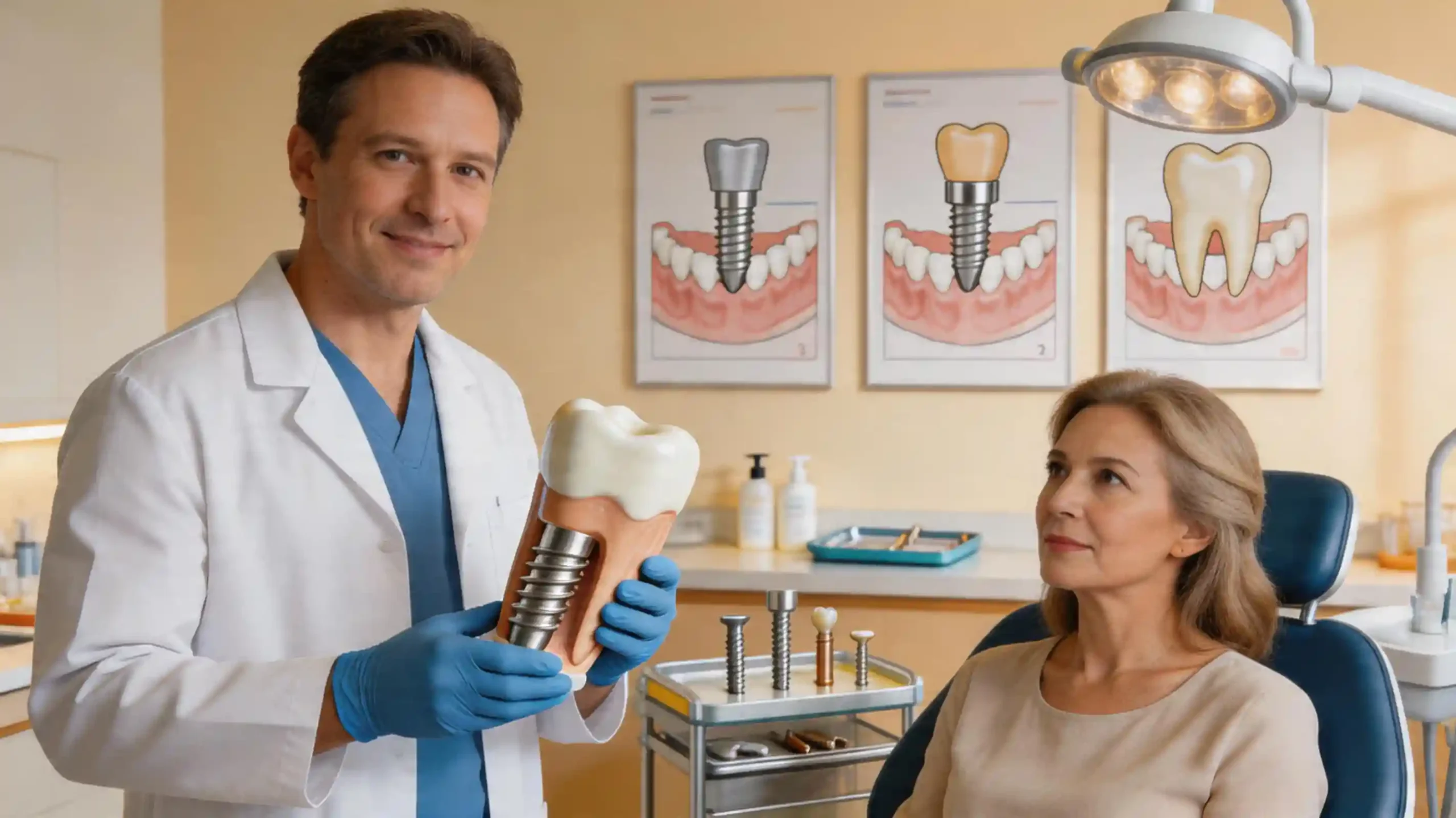
Understanding Dental Implants in the American Context
Dental implants have become a widely accepted solution for tooth replacement across the United States, with technological advancements making them more accessible than ever. The American dental landscape offers various options tailored to different needs, from single tooth replacements to full arch solutions. Patients often seek affordable dental implants for seniors who are dealing with tooth loss due to age-related factors, while younger adults might prioritize minimally invasive procedures with quicker recovery times.
The typical dental implant process involves several stages: initial consultation, potential bone grafting if needed, implant placement, healing period, and finally, crown attachment. What many patients find challenging is navigating insurance coverage and understanding the true long-term value of their investment. While some dental plans provide partial coverage for implants, many consider them cosmetic procedures, leaving patients to explore alternative payment options.
Common Challenges and Practical Solutions
One significant concern for Americans considering dental implants is cost transparency. Without clear pricing structures, patients may hesitate to proceed with treatment. Many dental practices now offer dental implant payment plans that make this investment more manageable over time. Additionally, some providers bundle services into package prices that include all aspects of the procedure, from initial consultation to final restoration.
Another frequent issue is anxiety about the procedure itself. Modern dentistry has addressed this through various comfort measures including sedation options and advanced techniques that minimize discomfort. For those concerned about recovery time, same-day implants have emerged as a viable alternative in certain cases, though not suitable for all patients.
Comparing Dental Implant Options
| Option Type | Typical Procedure | Cost Range | Ideal Candidate | Advantages | Considerations |
|---|---|---|---|---|---|
| Single Tooth Implant | Titanium post with ceramic crown | $3,000-$5,000 | Missing one tooth | Natural appearance, bone preservation | Requires healthy jawbone |
| Implant-Supported Bridge | Multiple crowns on fewer implants | $5,000-$15,000 | Several missing teeth in row | More affordable than individual implants | Higher initial investment |
| Full Arch Replacement | 4-6 implants supporting full denture | $15,000-$30,000 per arch | Extensive tooth loss | Secure fit, improved function | Requires significant healing time |
| Mini Dental Implants | Smaller diameter implants | $1,500-$3,000 | Limited bone density | Less invasive, faster recovery | Not suitable for all cases |
Navigating the Dental Implant Journey
When beginning your research, schedule consultations with multiple providers to compare approaches and costs. Look for practices that specialize in implant dentistry and have extensive experience with cases similar to yours. During these consultations, ask about the dentist’s credentials, request to see before-and-after photos of previous patients, and inquire about their success rates.
Many patients find that dental schools associated with universities offer quality care at reduced prices, though treatment times may be longer due to the educational component. Another option is to explore dental savings plans, which are not insurance but provide discounted rates at participating providers.
Maintaining Your Investment
After receiving dental implants, proper maintenance is crucial for longevity. This includes regular brushing and flossing, professional cleanings, and avoiding habits that could damage the restoration. Unlike natural teeth, implants aren’t susceptible to decay, but the surrounding gum tissue remains vulnerable to infection, making oral hygiene paramount.
Most dental implants come with warranties that cover certain components for specific periods. Understanding these terms helps you plan for potential future costs. Many patients find that the long-term benefits of implants—including improved chewing function, bone preservation, and confidence in their smile—far outweigh the initial investment.
When considering dental implants in the US, focus on finding a qualified provider who listens to your concerns and explains all aspects of the process clearly. With proper planning and care, dental implants can provide a functional and aesthetic solution that lasts for decades.