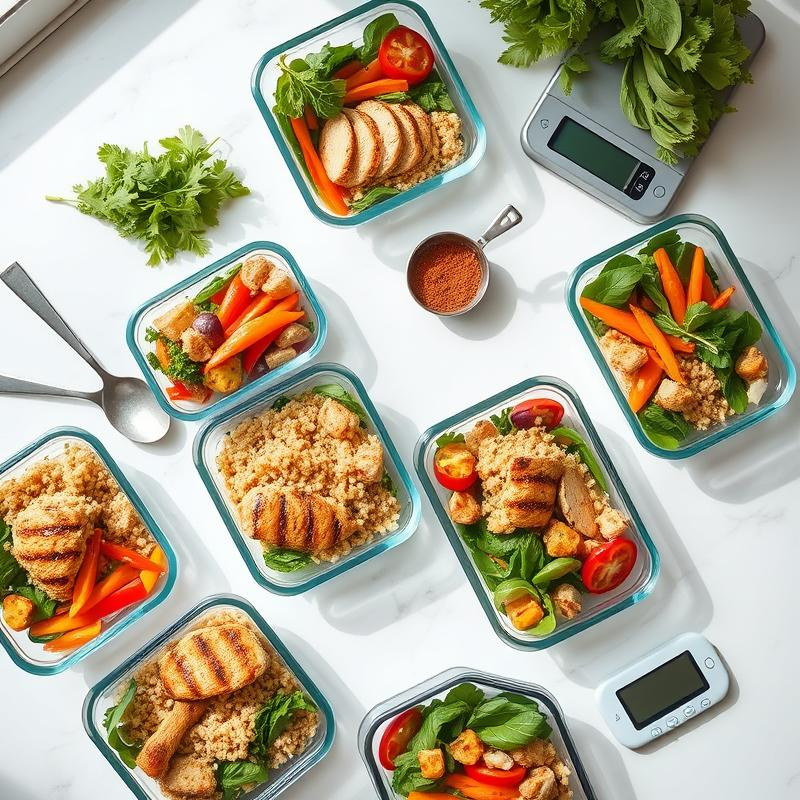
Understanding Diabetic Meal Planning for Weight Gain
Managing diabetes while aiming to gain weight requires a thoughtful approach that balances increased calorie intake with stable blood sugar levels. Unlike typical weight gain strategies, people with diabetes must consider the impact of each food choice on their glucose control. This article provides actionable guidance for building a diabetic meal plan focused on healthy weight gain, including foods that can be eaten more freely and practical steps to implement these changes.
Principles of Weight Gain for People with Diabetes
For individuals with diabetes, gaining weight should center on nutrient-dense, calorie-rich foods that do not cause dangerous spikes in blood sugar. This involves:
- Increasing calorie intake through healthy fats, proteins, and complex carbohydrates.
- Choosing foods with a low to moderate glycemic index (GI) to minimize rapid blood sugar increases.
- Maintaining balanced meals with regular eating times to support consistent glucose control.
According to the Norfolk and Norwich University Hospitals NHS Foundation Trust, high-calorie foods for weight gain include protein sources, healthy fats (like oils and butter), and starchy foods such as bread, potatoes, pasta, rice, and cereals. Avoiding low-fat or reduced-calorie products is recommended when the goal is to gain weight [1].
What Foods Can Diabetics Eat Freely?
While no food is truly “free” for people with diabetes, certain foods have minimal impact on blood sugar and can be enjoyed more liberally. These foods are generally low in carbohydrates and calories, making them suitable for frequent consumption:
- Non-starchy vegetables: Leafy greens (spinach, kale, lettuce), broccoli, cauliflower, cucumbers, peppers, and zucchini.
- Plain water, unsweetened tea, and black coffee: These beverages contain no carbohydrates.
- Herbs and spices: Used to add flavor without extra carbs or calories.
Non-starchy vegetables, in particular, are highlighted by organizations like the Mayo Clinic and Diabetes UK as foundational to a healthy diabetes meal plan. They are low in calories and carbohydrates, rich in fiber, and help provide satiety [4], [2]. However, even these should be included as part of a balanced diet rather than consumed in unlimited quantities, as excessive intake of any food can affect overall nutritional balance.
Building a Diabetic Meal Plan for Weight Gain
To gain weight healthily, diabetics should focus on calorie-dense foods that provide essential nutrients. Here’s how to structure your meals:
1. Prioritize Protein at Each Meal
Protein is crucial for muscle maintenance and growth. Include sources such as:
- Lean meats (chicken, turkey, lean beef)
- Fish and seafood
- Eggs
- Dairy products (milk, cheese, yogurt)
- Legumes (beans, lentils, chickpeas)
- Nuts and seeds
Adding extra protein can help with weight gain while supporting stable blood sugar levels. For example, fortify breakfast oatmeal with nuts and seeds, or add cheese to salads and eggs [1].
2. Incorporate Healthy Fats
Fats are calorie-dense and have minimal immediate impact on blood glucose. Opt for:
- Avocado
- Olive oil, canola oil, or other vegetable oils
- Nuts and nut butters
- Seeds (chia, flax, sunflower, pumpkin)
- Full-fat dairy (if not contraindicated for other health reasons)
Use these fats to enrich meals: drizzle olive oil over vegetables, add avocado to sandwiches, or stir nut butters into smoothies.
3. Choose Complex Carbohydrates
Carbohydrates are essential for energy but should be chosen wisely. Prefer whole grains and starchy vegetables, such as:
- Whole grain bread, pasta, and rice
- Quinoa, barley, and bulgur
- Sweet potatoes and potatoes (with skin for extra fiber)
- Oats and muesli
Pairing carbohydrates with protein and fats slows absorption, helping to prevent blood sugar spikes. For example, a meal of whole grain toast with peanut butter and a side of eggs offers balanced nutrients [3].
4. Include Snacks Between Meals
Frequent snacking can help increase calorie intake without overwhelming the digestive system or blood sugar control. Snack ideas include:
- Greek yogurt with berries and nuts
- Whole grain crackers with cheese
- Fruit smoothies with nut butter and seeds
- Trail mix with dried fruit and seeds
Snacks should combine carbohydrates with protein or fat to support stable glucose levels.
Sample Meal Plan for Diabetic Weight Gain
Below is a sample day illustrating how to combine these principles:
- Breakfast: Oatmeal made with whole milk, topped with almonds and blueberries; scrambled eggs with spinach.
- Snack: Greek yogurt with chia seeds and a small banana.
- Lunch: Grilled chicken sandwich on whole grain bread, avocado, and a side salad with olive oil dressing.
- Snack: Trail mix with dried apricots, walnuts, and sunflower seeds.
- Dinner: Baked salmon, roasted sweet potatoes with butter, and steamed broccoli.
- Evening Snack: Cottage cheese with sliced peaches.
Adjust portion sizes and frequency based on your individual calorie needs, activity level, and blood sugar monitoring results. Consulting a registered dietitian can help personalize your plan.
Foods to Limit or Avoid
While the focus is on healthy weight gain, it remains important to avoid foods that can destabilize blood sugar or contribute to unhealthy weight gain, such as:
- Sugary beverages (soda, energy drinks, sweetened juices)
- Highly processed snacks (chips, pastries, candy)
- Refined grains (white bread, white rice, many breakfast cereals)
- Excessive saturated or trans fats (fried foods, some baked goods)
Instead, choose natural, minimally processed foods that support overall health and stable glucose control.
Practical Steps for Implementation
- Track your intake: Keep a food diary to monitor calories, carbohydrates, and blood sugar responses.
- Eat regularly: Set consistent meal and snack times to avoid large fluctuations in blood sugar.
- Fortify meals: Add extra butter, cream, cheese, or healthy oils to dishes for increased calories.
- Monitor progress: Weigh yourself weekly and adjust portion sizes as needed.
- Consult professionals: Work with your healthcare provider or a registered dietitian for tailored advice.
Alternative Approaches and Considerations
Some individuals may find it challenging to gain weight due to factors like appetite loss or underlying health conditions. In such cases, meal replacement shakes or nutritional supplements (under professional supervision) may be considered. These products are designed to provide balanced nutrition in a calorie-dense format, but should not replace whole foods long-term unless recommended by a healthcare provider.
Key Takeaways
- Focus on calorie-rich, nutrient-dense foods to support healthy weight gain.
- Non-starchy vegetables, lean proteins, healthy fats, and whole grains form the foundation of a balanced diabetic meal plan.
- Some foods, especially non-starchy vegetables, can be enjoyed more freely, but all foods should be consumed in moderation and as part of a structured plan.
- Regular monitoring and professional guidance are essential for safe and effective results.