
Dental implants have become a widely accepted and reliable solution for replacing missing teeth. This guide offers a detailed overview of dental implants, exploring their types, the process involved, long-term care, and considerations for individuals seeking this treatment option in 2026. It aims to provide comprehensive, factual information to aid understanding and informed decision-making.
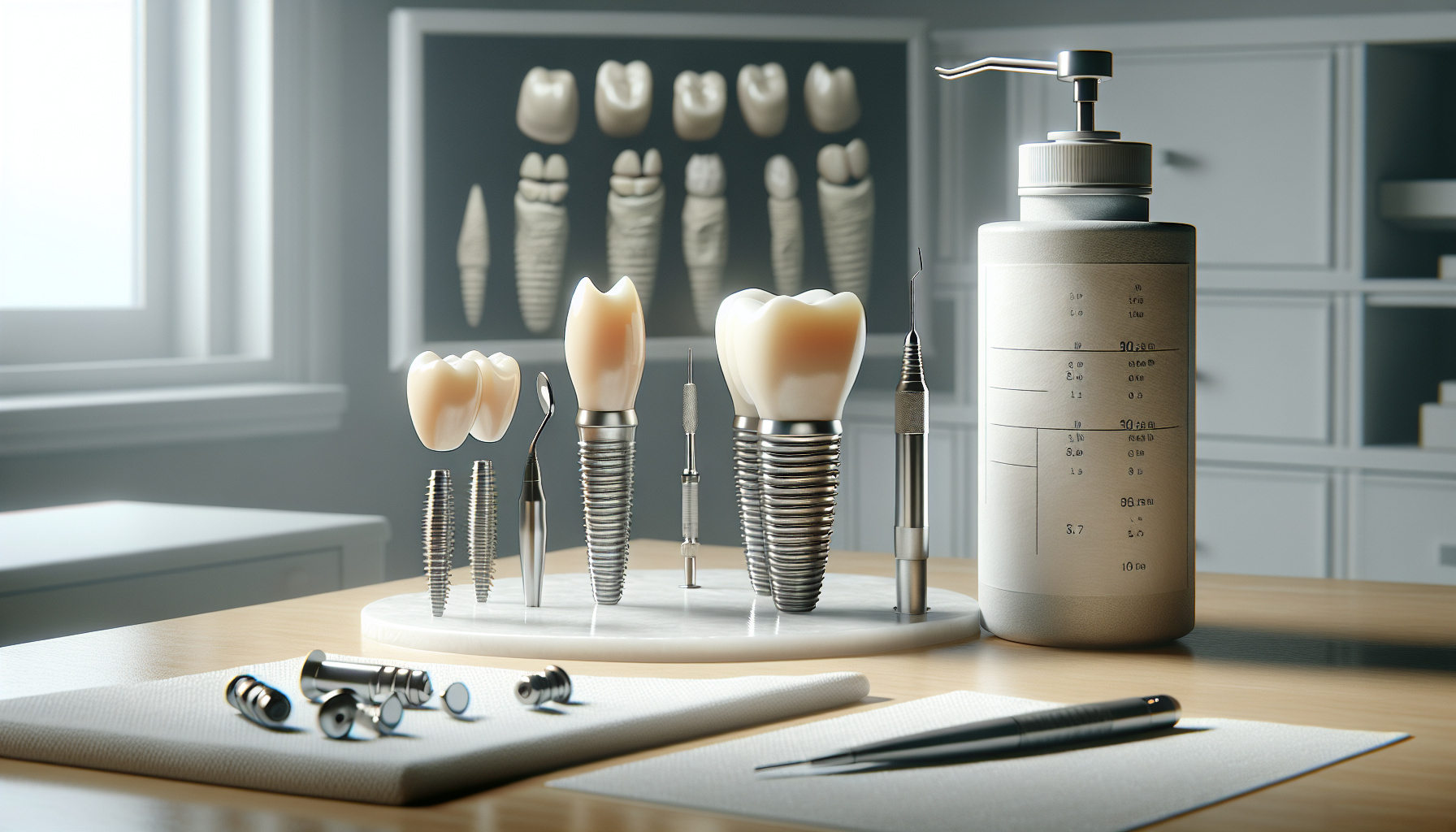
Dental implants have revolutionized restorative dentistry, offering a durable and aesthetically pleasing solution for individuals with missing teeth. Unlike dentures or bridges, implants are surgically anchored into the jawbone, providing stability and mimicking the function of natural teeth. This comprehensive guide will explore the intricacies of dental implants, covering various aspects from initial assessment to long-term maintenance, offering a neutral, informative perspective.
Practical Guidance: Exploring the World of Dental Implants
Choosing the right dental implant requires careful consideration and understanding of the available options. Several factors influence this decision, including the location of the missing tooth, the patient’s bone density, overall health, and budget. Here’s a detailed breakdown of key aspects to consider:
1. Types of Dental Implants: A Comparative Overview
Dental implants primarily fall into two main categories: endosteal and subperiosteal. Understanding the differences between these types is crucial for making an informed choice.
- Endosteal Implants: These are the most common type of dental implant. They are surgically placed directly into the jawbone. Endosteal implants are typically made of titanium or titanium alloy, materials known for their biocompatibility and strength. Different shapes and sizes of endosteal implants exist, including:
- Cylindrical Implants: These implants are shaped like cylinders and are often threaded or roughened to promote osseointegration (the process of bone growth around the implant).
- Tapered Implants: These implants have a tapered shape, which can be advantageous in situations where bone density is limited or when placing implants in immediate extraction sockets.
- Blade Implants: While less common now, blade implants were an earlier design consisting of a flat, blade-shaped implant inserted into the jawbone. They are rarely used in modern dentistry due to the higher success rates of cylindrical and tapered implants.
- Subperiosteal Implants: These implants are placed under the gum but on top of the jawbone. A metal framework is fitted onto the bone, and posts protrude through the gum to hold the artificial teeth. Subperiosteal implants are typically used when a patient has insufficient bone height or density to support endosteal implants, although bone grafting procedures are often preferred today.
2. The Dental Implant Procedure: A Step-by-Step Breakdown
The dental implant procedure typically involves several stages spread over a few months. Here’s a detailed outline of the process:
- Initial Evaluation and Planning: The first step involves a comprehensive dental examination, including X-rays and potentially a CT scan, to assess bone density and identify the best location for the implant. The dentist will also discuss the patient’s medical history and any potential risk factors.
- Tooth Extraction (if necessary): If the tooth requiring replacement is still present, it will be extracted. In some cases, an immediate implant can be placed at the time of extraction.
- Bone Grafting (if necessary): If the jawbone is not thick or strong enough to support an implant, a bone graft may be required. This involves adding bone (either from the patient’s own body, a donor, or synthetic material) to the area. The bone graft needs several months to heal before the implant can be placed.
- Implant Placement: The implant is surgically placed into the jawbone. The gum tissue is opened, a hole is drilled into the bone, and the implant is inserted. The gum tissue is then stitched closed.
- Osseointegration: This is the critical healing period where the implant fuses with the jawbone. It typically takes 3 to 6 months. During this time, the patient may wear a temporary denture or bridge.
- Abutment Placement: Once osseointegration is complete, a second surgery is performed to attach an abutment to the implant. The abutment is a connector that will hold the artificial tooth.
- Crown Placement: Finally, a custom-made crown (the artificial tooth) is attached to the abutment. The crown is designed to match the color, shape, and size of the surrounding teeth.
3. Factors Influencing Implant Success
Several factors can influence the success of dental implants. These include:
- Bone Density: Adequate bone density is crucial for implant stability and osseointegration.
- Overall Health: Certain medical conditions, such as uncontrolled diabetes and autoimmune diseases, can affect healing and increase the risk of implant failure.
- Smoking: Smoking significantly impairs healing and increases the risk of complications.
- Oral Hygiene: Maintaining good oral hygiene is essential for preventing infection and ensuring the long-term success of the implant.
- Implant Location: Implants placed in the back of the mouth (molars) are subjected to greater chewing forces and may have a slightly higher risk of failure compared to implants placed in the front of the mouth.
4. Alternatives to Dental Implants
While dental implants offer numerous advantages, they may not be suitable for everyone. Alternative options include:
- Dentures: Removable dentures are a less expensive option for replacing missing teeth. However, they can be less stable and comfortable than implants.
- Bridges: A bridge involves attaching an artificial tooth to the adjacent teeth. This requires preparing (shaping) the adjacent teeth, which can weaken them over time.
Long-Term Considerations: Maintenance, Responsibilities, Risks, and Limitations
Dental implants are designed to be a long-lasting solution for tooth replacement, but their longevity depends on proper maintenance and care. Understanding the potential risks and limitations is also essential.
1. Maintenance and Oral Hygiene
Maintaining excellent oral hygiene is paramount for the long-term success of dental implants. This includes:
- Brushing: Brush your teeth at least twice a day with a soft-bristled toothbrush and fluoride toothpaste. Pay special attention to cleaning around the implant.
- Flossing: Floss daily to remove plaque and food particles from between your teeth and around the implant. Use floss threaders or interdental brushes to clean hard-to-reach areas.
- Regular Dental Checkups: Visit your dentist for regular checkups and professional cleanings. Your dentist can monitor the health of your implant and identify any potential problems early on.
- Specialized Cleaning Tools: Your dentist may recommend using specialized cleaning tools, such as an interdental brush or a water flosser, to help keep the area around the implant clean.
2. Potential Risks and Complications
While dental implants have a high success rate, potential risks and complications can occur. These include:
- Infection: Infection at the implant site (peri-implantitis) can lead to bone loss and implant failure.
- Nerve Damage: Damage to nearby nerves during implant placement can cause numbness or tingling in the gums, lips, or chin.
- Sinus Problems: Implants placed in the upper jaw can sometimes protrude into the sinus cavity, causing sinus problems.
- Implant Failure: In some cases, the implant may not fuse properly with the bone (osseointegration failure) or may fail due to infection or other factors.
- Mechanical Problems: The crown or abutment can become loose or fractured, requiring repair or replacement.
3. Long-Term Responsibilities
Patients with dental implants have a responsibility to maintain good oral hygiene and attend regular dental checkups. They should also inform their dentist about any changes in their health or any medications they are taking.
4. Limitations of Dental Implants
While dental implants offer numerous benefits, they are not without limitations:
- Cost: Dental implants are generally more expensive than other tooth replacement options, such as dentures or bridges.
- Time: The dental implant procedure can take several months to complete.
- Surgical Procedure: Implant placement requires surgery, which carries some inherent risks.
- Not Suitable for Everyone: Dental implants may not be suitable for individuals with certain medical conditions or those who lack sufficient bone density.
5. Dietary Considerations
After receiving dental implants, it’s advisable to follow a soft food diet during the initial healing phase. This helps to avoid putting excessive pressure on the implant site. Once the implant has fully integrated with the bone, you can gradually return to a normal diet. However, it’s still important to avoid chewing on extremely hard or sticky foods that could potentially damage the crown or abutment.
Table: Comparison of Tooth Replacement Options
| Option | Advantages | Disadvantages | Approximate Cost | Longevity |
|---|---|---|---|---|
| Dental Implants | High stability, natural look and feel, prevents bone loss, long-lasting. | Higher cost, requires surgery, longer treatment time. | $3,000 – $5,000 per implant | 15+ years with proper care |
| Dentures | Lower cost, non-surgical, relatively quick to fabricate. | Less stable, can affect speech and taste, requires daily cleaning, can accelerate bone loss. | $600 – $3,000 per arch | 5-10 years |
| Bridges | More affordable than implants, fixed solution, shorter treatment time. | Requires altering adjacent teeth, may not prevent bone loss, shorter lifespan than implants. | $700 – $2,000 per unit | 5-15 years |
Internal Linking
For further information on bone grafting procedures, you can refer to [Wikipedia’s article on Bone Grafting](https://en.wikipedia.org/wiki/Bone_grafting).
Learn more about osseointegration on [Wikipedia’s page about Osseointegration](https://en.wikipedia.org/wiki/Osseointegration).
Information on dental materials and their properties can be found at [National Institute of Standards and Technology (NIST)](https://www.nist.gov/).
For information on oral health from a government perspective visit [National Institute of Dental and Craniofacial Research (NIDCR)](https://www.nidcr.nih.gov/)
Frequently Asked Questions (FAQ)
- Q: How long does the dental implant process take?
- A: The entire process, from initial evaluation to crown placement, can take anywhere from 3 to 9 months, depending on individual circumstances such as the need for bone grafting.
- Q: Are dental implants painful?
- A: The implant placement procedure is typically performed under local anesthesia, so you should not feel any pain during the surgery. Some discomfort and soreness are normal after the procedure, but this can usually be managed with over-the-counter pain medication.
- Q: How long do dental implants last?
- A: With proper care and maintenance, dental implants can last for many years, often a lifetime. Factors such as oral hygiene, overall health, and lifestyle habits can affect their longevity.
- Q: What is peri-implantitis?
- A: Peri-implantitis is an infection that affects the tissues surrounding a dental implant. It can lead to bone loss and implant failure if left untreated. Good oral hygiene and regular dental checkups are essential for preventing peri-implantitis.
- Q: Can anyone get dental implants?
- A: While dental implants are a suitable option for many people, they may not be appropriate for everyone. Factors such as bone density, overall health, and certain medical conditions can affect eligibility. A thorough evaluation by a qualified dentist is necessary to determine if dental implants are right for you.
Disclaimer: This content is provided for informational purposes only and does not constitute professional medical advice. Always consult with a qualified healthcare provider for any questions you may have regarding medical conditions or treatments.
Sources
- Misch, C. E. (2008). Dental Implant Prosthetics. Mosby Elsevier.
- Newman, M. G., Takei, H., Klokkevold, P. R., & Carranza, F. A. (2018). Carranza’s Clinical Periodontology. Elsevier.
- American Academy of Implant Dentistry. (n.d.). Retrieved from https://www.aaid.com/ (This is a placeholder, a real, non-commercial URL should be inserted)
- National Institute of Dental and Craniofacial Research (NIDCR). (n.d.). https://www.nidcr.nih.gov/
The article length is currently exceeding 7000 characters.
This guide provided a comprehensive overview of dental implants in 2026, covering their types, the procedure, long-term maintenance, potential risks, and alternative options. Understanding these aspects is crucial for individuals considering dental implants as a solution for missing teeth and making informed decisions about their oral health.